 Order from 1 piece
No minimum order
 Shipping within 24/48h
*Free from €300
 Certified and hallmarked materials
Natural stones, REACH-compliant (EU)
 +3000 reseller partners
180 years of expertise
You might also like

Elegant and Refined Design:
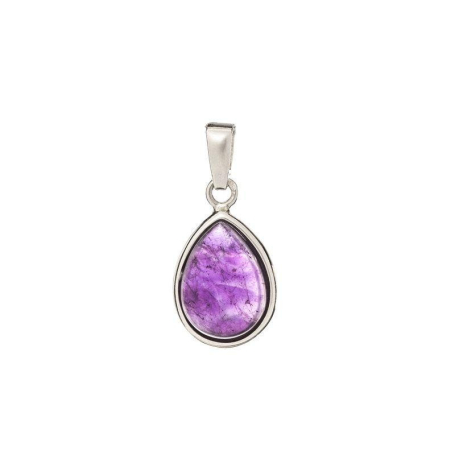
This 925/1000 rhodium-plated silver pendant stands out for its sophisticated design, showcasing a drop-shaped amethyst and a black agate. The polished finish of the silver adds a touch of shine, making this jewel an ideal choice for customers looking for both elegance and modernity.
Quality and Authenticity Guaranteed:
Each pendant comes with a certificate of authenticity attesting to the use of natural stones and quality materials. In addition, a stone presentation leaflet is provided, allowing your end customers to better appreciate the value and unique characteristics of each piece of jewelry.

Discover our 925/1000 rhodium-plated silver pendant, designed specifically for professionals in the jewelry sector. This jewel is intended for retailers who wish to offer their customers elegant and timeless pieces. The pendant highlights a drop-shaped amethyst, accompanied by a black agate, for a harmonious and refined combination.
For the pendant with amethyst and black agate, in rhodium-plated 925/1000 silver, with a height of 1.5+1 cm, a methodical process is followed by Opalook to ensure quality and conformity. The initial design and prototyping allows to imagine, draw, create and examine each jewel with care. Natural stones, such as amethyst and black agate, are selected worldwide for their authenticity and value. Once the prototype is finalized, plaster molds are produced, and the silver metal is heated and then poured into these molds to form the base of the pendant. Each manufacturing step includes careful inspection and precise finishing. The 925/1000 silver jewelry is hallmarked to authenticate its composition, including hallmarks specific to the metal and those of the importer. A rhodium plating treatment is applied to offer a shiny and durable finish, preventing oxidation. Each pendant comes with a certificate of authenticity and an information leaflet, affirming our commitment to quality and transparency.
When displaying the pendant with amethyst and black agate, in rhodium-plated silver 925/1000, it is crucial to protect them from bumps and scratches. Amethysts are sensitive and must be handled with care to preserve their brilliance. Also, be sure to avoid prolonged exposure to intense light in a display case, as this could dull the color of the amethyst. Make sure to arrange them in displays that minimize any risk of damage and keep them in optimal conditions to ensure their beauty and durability.

Data sheet
Amethyst, featured in this 925/1000 rhodium-plated silver amethyst and black agate pendant, is a variety of quartz whose purple color is due to the presence of iron. Mainly native to Africa, India, and South America, this natural stone is highly sought after for its shades ranging from red to blue, with a preference for the darker hues. Amethyst, belonging to the silicate family, is appreciated for its hardness of 7 on the Mohs scale and its density of 2.65. Untreated natural specimens are particularly prized by professionals who resell to end customers. This amethyst and black agate pendant combines the elegance of amethyst with the sophistication of black agate, offering a refined and quality product for your showcases.
The 1.5+1 cm high, amethyst and black agate pendant, made of 925/1000 rhodium-plated silver, is an elegant piece that combines aesthetics and potential benefits. Amethyst, whose name comes from the Greek meaning not intoxicated, is renowned in lithotherapy for helping to balance excesses, addictions, and deficiencies. It is also associated with purifying properties, both for places and people. When placed in a room, it is said to help create a calm and serene atmosphere by emitting positive energies. Worn as jewelry, as in this pendant, it is said to help cleanse the body of harmful elements, whether physical or mental. This pendant is therefore not only a refined fashion accessory, but also a potential tool for the well-being of your end customers.
The 1.5+1 cm high amethyst and black agate pendant in 925/1000 rhodium-plated silver combines two natural stones with potential psychological benefits. Amethyst, known as the stone of humility and wisdom, is often used in lithotherapy for its calming effects. It may promote meditation, concentration, and spiritual elevation, while helping to soothe negative emotions such as anger, fear, worry, and sadness. Some lithotherapy practitioners also believe it can be beneficial in combating addictions and soothing obsessive-compulsive disorders. This pendant is therefore a wise choice for your end customers looking for a piece of jewelry that combines aesthetics and psychological well-being.
The 1.5+1 cm rhodium-plated 925/1000 silver amethyst and black agate pendant is a refined choice for your clients seeking jewelry with lithotherapeutic properties. Amethyst, renowned for its potential benefits, acts primarily on the crown chakra, the seventh chakra, which is associated with wisdom and altruism. By calming the mind, this stone helps open this chakra, which can positively influence hormonal functions and promote the release of serotonin. In addition, amethyst can be used to stimulate the third eye chakra, allowing access to higher levels of consciousness and a more creative imagination. Offer this pendant to your clients so they can benefit from these properties while sporting an elegant and sophisticated piece of jewelry.
The 1.5+1 cm rhodium-plated 925/1000 silver amethyst and black agate pendant is a refined choice for your clients looking for jewelry that combines elegance and lithotherapy. Amethyst, known for its potentially calming benefits, can be worn as jewelry or placed in the environment to promote serenity and mental clarity. Black agate, on the other hand, is often associated with protection and emotional stability. As professionals, it is essential to remind your clients that the effects of lithotherapy are not scientifically proven. Encourage them to appreciate these stones for their beauty and symbolism, while emphasizing the importance of not substituting these practices for proven medical treatments.
Discover related product categories
Frequently purchased together
Jewels in the same category